Friday, February 22, 2008

Dark Funeral - The Secrets of the Black Arts (1996)


The Secrets of the Black Arts is the first full-length album from the Swedish Black Metal band, Dark Funeral. It features cover artwork from the legendary Necrolord. Originally, this was recorded at Dan Swanö's Hellspawn/Unisound Studios, the same as the self-titled E.P., but Blackmoon was dissatisfied with the sound, insisting that it be re-recorded at Peter Tägtgren's Studio Abyss. As somewhat of a perfectionist, he fought hard to not release the first version of the album. The sound is a vast improvement over their previous release, which is odd to say as the Abyss sound is not always so good; however, on this album it was done just right and there is little to complain about. After this, many other bands began using the same studio.

When most people think of Dark Funeral, a very useless band comes to mind. You are filled with apathy at the thought of a meaningless style of music, which seems to be made to please the ignorant masses. This is understandable, as the band has not been relevant in many years. Yet The Secrets of the Black Arts is from a different time. At this point, Necrophobic-mastermind, David Parland (Blackmoon) was still the main creative force and the music benefits from this. As a matter of fact, Lord Ahriman was so intoxicated during the recording process that Blackmoon often played both guitar parts.

My first encounter with this band was around the release of Vobiscum Satanas, which made a bad impression. Actually, it was so bad that I almost didn't bother to listen to their earlier material. However, as I glanced over their debut L.P. for a brief moment, something caught my eye. I noticed David Parland on the back cover and, being a fan of his work in Necrophobic, I knew that I had to give this a listen. In some ways, this could be considered a companion piece to their second album, Darkside.

The Secrets of the Black Arts begins with a very brief intro, "The Dark Age Has Arrived". This does little more than to lower the listener's guard. As you put the CD in, you are expecting something, of course. This intro helps to maximize the impact as the first real song erupts with hellish blasphemy.

Spilling forth from the gates of Hell, the title track begins with icy cold tremolo riffs, blast beats and some of the most demonic vocals, ever. The one thing that seems to dominate the sound is the guitars, which is as it should be. The songwriting is nothing short of amazing, as everything is arranged perfectly. Even the drumming has enough slight variation to keep things from being boring or too typical. The freezing melodies possess a very nocturnal quality.

"My Dark Desires" is a little less violent than the previous song. This song first appeared on the Dark Funeral E.P. This new version would seem to be the superior one, especially considering Themgoroth's evil and maniacal vocal performance. The fast parts are always well-balanced with more mid-paced overtures, in order to give oxygen to the sinister energy that lies among these notes. So often, the glacial, sharp touch of the guitars is mixed with dark, gloomy melodies and this adds a sense of ritualism to the sound.

"The Dawn No More Rises" begins with a slow pace, but not for very long. Themgoroth's hellish vocals rise from the abyss like a chorus of demons and the song explodes with malevolence. The tremolo melodies are like razors of ice, carving through your flesh, creating a grim and cold nocturnal atmosphere. This song goes well with Immortal's "The Sun No Longer Rises", Marduk's "The Sun Has Failed" and Sacramentum's "Far Away From the Sun" as yet another cold northern hymn of darkness.

The next song starts off as if already in progress. "When Angels Forever Die". This song is actually more straight-forward and, probably, used as a template for the band's later sound. The difference is that, although this is pure tremolo riffs and blast beats all the way through, the dark and sinister feeling is never lost. It is done with purpose and accomplishes its goal.

"The Fire Eternal" continues on with this hellish pace, yet is is easily discernable from the previous song. There is more of a somber element to the melodies on this song. Technically speaking, there is nothing groundbreaking, here; minor chords, tremolo strummed with a treble heavy guitar tone, arranged into riffs which shift in dissonant and chromatic fashion. The important thing is that this all comes together in creating a sense of darkness and evil. That is what separates this release from so many others; everything is done for a reason.

"Satan's Mayhem" features simple and cold melodies that often move counter to the harmonies in a device to create tension and an unsettling sensation of fundamental dischord. Themgoroth sounds as if his throat is being shredded, yet he never relents. The furious and intense drumming of Equimanthorn is very precise. Blackmoon's dark and frigid guitars serve as the centerpiece of the song.

"Shadows Over Transilvania" is another song that was originally released on the debut E.P. It is difficult to decide which version is preferable, as the original is probably more familiar, yet the guitar tone is superior on the L.P., in most places. All in all, it was probably done better the first time. This is one of the best songs on the album, as it is morbidly consumed with nocturnal atmosphere. The slower sections and the haunting melodies found therein are key to allowing the sinister energies to grow.

"Bloodfrozen" enters the soundscape with a very slow, doomy pace. The open-arpeggio riffs work well in establishing a dark and sorrowful feeling of dread. As the song speeds up, this feeling remains. Very few guitarists have ever been so successful at harnessing the nocturnal forces quite like Blackmoon. The title of the song is appropriate enough, as the blood freezes in your veins, while listening.

The next song is a cover of Von's "Satanic Blood". There is not much to say about this. It is straight-forward and does not stray from the original. Blackmoon does the vocals on this song. This song doesn't really contain the same atmosphere as the rest of the album. One could say it serves as a break from the rest, so that it is more appreciated when it returns or that it is out of place and, maybe, belonged on an E.P.

"Dark Are the Paths to Eternity (A Summoning Nocturnal)" returns the listener to the cold depths of the nocturnal abyss, bereft of life or light, surrounded by the dark forces from beyond. Themgoroth has become fully possessed, at this point. It is obvious that some vocalists hold back or simply put forth minimal effort, yet one can easily hear all of his being pouring forth in his performance. The riffs are the epitome of true darkness. This is like a hymn to the majesty of the eternal night sky and blackness so dark that even shadows cease to exist. As the song slows down, there is a clean-spoken part that adds to the atmosphere being created by this nocturnal ritual. The guitars are cold as ice and the melodies build a sense of tension, as you are being led toward the great unknown. As the brilliant guitar melodies fade into silence, so too does Dark Funeral's true potential fade into obscurity.

Thursday, February 14, 2008

Sacramentum - Far Away From the Sun (1996)

Photobucket

Sacramentum is from Göteborg, but certainly does not have anything to do with the sound that city is known for. This is cold Black Metal in the vein of early Dissection. Far Away From the Sun is their first L.P. and was recorded in Unisound Studios in mid-1995. The production is much stronger than some Black Metal albums recorded in the same studio; i.e. Those of the Unlight, Opus Nocturne, etc. The band is represented very well here.

The album begins furiously, with no intros or anything of that nature. Within the first minute, the skill of these musicians becomes very apparent. The music is violent and melodic at the same time. The atmosphere is cold and nocturnal and is best listened to on a Winter night. Many of the songs begin very fast but the melodies always find their way through the chaos. The tremolo riffs are all around, and dominate the album. The guitar tone is not quite like any other album I have heard. The song structures are more complicated than some bands, with an abundance of tempo changes and atmosphere. Vocally, I have to make the comparison to Jon Nödtveidt. The vocals are in much the same style. There are also brief bits of clean, spoken lines which remind me of Necrophobic's The Nocturnal Silence. The melodies have a classical feel to them, making this album a dark journey through ancient times forgotten. Some old school 80s drum beats are utilized, particularly on "When Night Surrounds Me."

I would compare this to Dissection, Necrophobic (Darkside), and Sorhin; however that is not to say that this sounds just like any of those bands. All too often, it seems that Sacramentum have fallen victim to the label of "Dissection-clone" and this is obviously promoted by those who are too ignorant to see that this record stands on its own, despite being somewhat similar to the aforementioned band. Definitely, fans of the more melodic and nocturnal Swedish Black Metal (as opposed to the blasting, lifeless garbage coming out of there now) will definitely appreciate this. I have to wonder if this album influenced Sargeist at all, because I can even hear similarities there as well.

This album is so good that I cannot recommend individual songs. This is something that needs to be experienced in its entirety. Far Away From the Sun is another Swedish classic of Cold Nocturnal Black Metal.

Tuesday, January 29, 2008

Dissection - Storm of the Light's Bane (1995)

Photobucket

Storm of the Light's Bane is the second full-length album from the masters of Swedish Black Metal, Dissection. Recorded in Hellspawn/Unisound Studios in March 1995, and released the same year, this album had a lot to live up to with regard to their debut L.P. The Somberlain. The result is something that is certainly similar, yet demonstrating a quite different approach. Gone were the slower, doom-like passages and intro sections. Dissection's sophomore effort was designed to be a little less atmospheric and more straightforward. Rather than torturing you first, and savouring the fear and anguish, the band goes right for the kill in most cases.

The album begins with the intro, "At the Fathomless Depths" which has a great classical feel. Immediately, you get a sense of the difference in production on this album. This sounds a bit less raw and more streamlined, certainly not in a bad way. The guitar tone is very cold and is suited for the wintry cover art as well as the lyrics and music contained here. This intro piece sets the tone very well, before "Night's Blood" explodes into your ears.

The first song showcases the very tight playing of this band complete with new guitarist, Johan Norman. The melodies are dark and furious while the vocals possess a haunting effect. The Iron Maiden influence can be heard in the guitar harmonies, showing a bit of this band's influences. "Night's Blood" is very fast-paced and shreds right through the listener like the winds of a northern blizzard. Then there is a slower, acoustic section which does well to add to the atmosphere. It is somewhat reminiscent to the first track on The Somberlain, which features a similar passage. Epic and majestic, this album gets off to a great start.

The freezing Black Metal chaos does not let up on the second song. "Unhallowed" blasts from the start and then goes into a somewhat more mid-paced riff. Jon Nödtveidt's scathing vocals are quite unique, I think, and are in top form here. There is absolutely no mistaking him for anyone else. The lyrics are well articulated and the cold Black Metal melodies make this a nocturnal masterpiece. And, as usual, when solos are utilized they actually mean something and add to the integrity of the song. It may sound repetitious, but this is yet another classic song. Timeless and superior to most others. It must also be said that when Dissection uses clean or acoustic passages, it is done far better than anyone else.

The next song is perennial crowd favorite, and a staple of the live show until the end, "Where Dead Angels Lie." This song is slower than the previous ones, and probably the catchiest one on the album. This, of course, makes this the most accessible track here, I would imagine. This album really displays a band that has cemented their distinct sound. While the trace influences of Maiden and Mayhem are present, this is very much a Dissection album. Whereas others simply copy their favorite bands, Dissection take these influences and incorporate them into a broader sound all their own. "Where Dead Angels Lie" has a creepy and melancholic feel. This is aided by the glass-shattering scream near the end. The cold wintry imagery conveyed in the lyrics of this song, and the rest of the album, fits perfectly with the sound and the aesthetic presentation of the album.

"Retribution - Storm of the Light's Bane" speeds things back up, and then transitions into an old school thrash riff. The hateful venom spewing from Jon's lips is like a battle cry. The band, very confidently, goes from tremolo picking to thrash and into more traditional metal riffing. The cold and epic atmosphere is still very much present and there is no weakness to be found on this album.

The icy acoustic guitar that begins "Thorns of Crimson Death" introduces another melancholy and deathlike melody. The song is carried by a mid-paced thrash riff and Jon's poisonous vocals take your mind beyond reality. The song then speeds back up as the freezing fury of Black Metal is unleashed once more, in full force. This single melody kills 99% of entire albums that have been released since. Again, an acoustic passage adds another dimension to the song. This is done perfectly, and not in a cheesy way such as countless other bands. Then the epic, Hellish main riff returns to carry the listener into the abyss once more. Also worth noting, perhaps, is the backing vocalist, Erik "Legion" Hagstedt.

Nearing the end of the album, we have one of my personal favorite Dissection songs, "Soulreaper." The main guitar riff is typical Scandinavian tremolo picked mayhem, and the song is fast and possessed like a mighty winter storm. Near the middle of the song, one can hear acoustic guitar being played along with the electric. It makes for a nice effect, and is maybe done somewhat better than when Darkthrone tried this on A Blaze in the Northern Sky. Tony "IT" Särkkä makes an appearance, contributing backing vocals here. I have absolutely no complaints about this song, in any way. Very few bands are capable of producing a single song of such quality, let alone and entire album. At this stage, Dissection clearly had no peers.

Finally, to close the album out, Alexandra "Axa" Balogh's "No Dreams Breed in Breathless Sleep" leaves a lasting impression of melancholy and death. This simple piano piece fits very well and accentuates the atmosphere of the album.

I cannot say whether or not Storm of the Light's Bane ranks above The Somberlain, as they each have their own identity while being similar. In this case, I do not wish to compare these two classic albums. Dissection is no mere band. Their albums aren't simply music. They are nocturnal rituals. This is best listened to while walking through the desolate night in a winter storm. You do not merely listen to Dissection, you experience it...

Tuesday, January 22, 2008

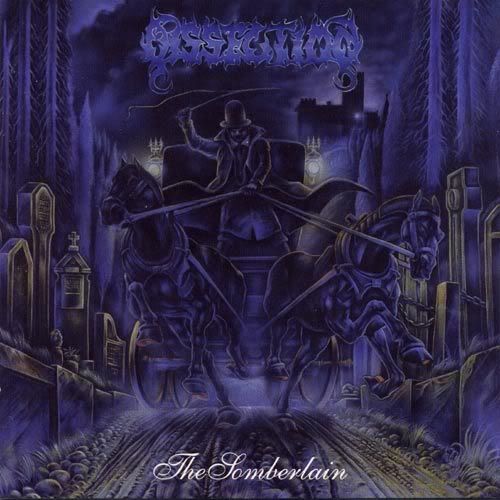
Dissection - The Somberlain (1993)

Photobucket

Dissection is a name that is sacred in the realm of Black Metal. Beginning in the twilight of the 1980's, this band's earliest works were rooted in the growing Death Metal scene. Hailing from Strömstad, they were quite removed from the happenings in the Stockholm scene and their sound never had anything to do with what was happening there. Though The Grief Prophecy was not the most impressive demo, one could already detect a sense of darkness that many bands were lacking. The material on Into Infinite Obscurity only solidified the band's commitment to creating music with a dark and morbid atmosphere. Being so close to Oslo, it was no surprise that Jon Nödtveidt became involved with some of the leading figures of the Norwegian Black Metal movement, particularly Euronymous. Whether due to this or just as a result of a natural progression of Dissection's black vision, their style shifted ever more toward the cold and grim Black Metal that was emerging in the early '90s. At this point, Sweden did not have much of a Black Metal scene to speak of, other than the likes of Marduk and Abruptum. In late 1993, after several delays, Dissection's debut L.P. was finally unleashed upon the world. The Somberlain established the band as one of the premier bands in the underground, not just in Scandinavia, but all over the world.

This was one of the first Black Metal albums that I ever heard and has since remained somewhat of a measuring stick against which all other albums are compared. Being in the states, I was a few years late in picking this up, and had only really become aware of the band by seeing a few Dissection t-shirts at concerts and thinking that there must be something special just based on the feeling conveyed by the artwork. Upon hearing The Somberlain, I was completely blown away. This was one of those magical albums that really managed to take me to another world, far beyond this mundane reality. During the winter months, I listened to this record over and over again, just soaking in the cold and nocturnal atmosphere conveyed by the dark melodies and the sinister vocals. Everything about this seemed to fit together, from the music and lyrics even to the cover art and the obscure photo of Bran Castle that is found inside. These guys really understood that the aesthetics needed to match the musical content in order to form a complete package.

The darkness begins to unfold from the absolute first moments, as some demonic speech is played in reverse, leading into incredibly cold and dark tremolo riffs. This guitar melody is very memorable and does well to establish a feeling of gloom. "Black Horizons" is a monumental opener, featuring somewhat of a Mayhem influence, which makes sense as the album is dedicated to Euronymous. The song structure is masterful, with each passage flowing into the next, flawlessly. Jon's vocals are even more raspy and hellish, expressing a very misanthropic and almost inhuman feeling. Near the middle of the song, there is a clean guitar section which is done in a far superior manner to anything from bands like Satyricon, sometime after this. The lead solo possesses a lot of feeling and adds something to the sound. As the clean guitars return, a sense of tension builds, erupting with a high pitched scream from Dan Swanö, followed by a woeful choir. The mood becomes even more dismal and melancholic, before returning to the main riff from earlier and moving toward its conclusion. This is a brilliant opener, demonstrating great skill in songwriting and execution, luring the listener in with a grim classic of epic proportions.

As if the first song was not dynamic enough, proving that Dissection was far above the majority of the mediocre bands that were springing up everywhere, the title track comes along to put the final nail in the coffin of doubt. From the very first notes of this majestic composition, the listener is dragged deeper into the abyss, leaving this world behind. "The Somberlain" begins with a cold and mournful riff, soon erupting into a hellish whirlwind of hatred and melancholy. While this music is much more melodic than what some other bands were doing, it still possesses a very dark feeling and never becomes 'light or weak'. It is clear than Jon knew exactly how to incorporate these black melodies in order to create a sense of gloom and morbidity. Just as the music is utterly flawless, the lyrics are among the best ever written. Everything comes together to take the listener to a world of endless winter nights, as the razor sharp guitar riffs cut through your flesh like bitter winds howling from the north. The slower section in the middle of the song is one of the highlights of the album, imbuing the listener with a feeling of incomprehensible sorrow and yet a sense of optimism at the coming of death and the knowledge that this world will soon be nothing but a shadow of a memory. There is a definite Mayhem influence, late in the song, as everything fades away and leaves only an icy tremolo riff to accompany the diabolic incantation. This is the sort of song that one does not simply listen to; this is an experience, one that will never be forgotten.

"I flew over crystal ground
My existence, numb
Over orchards of grievance,
sorrow and tears
This beautiful silence
calls me now"


After such intensely passionate (and lengthy) songs to begin the album, it only makes sense to give the listener a bit of a breather. "Crimson Towers" is a brief acoustic instrumental that allows for somewhat of a break while also fitting well into the overall arrangement of the album. It has kind of an introspective vibe, and is a perfect bridge between the previous song and the one that follows.

As the drum roll leads into the frozen guitar melodies of "A Land Forlorn", one has to be amazed with the quality of each track on this album. Rather than putting all of their effort into a handful of songs and then padding the album with filler, each song possesses a unique feel and maintains the same level of quality as the rest, serving as an integral part of the record as a whole. This is another dynamic piece, featuring its fair share of fast tremolo melodies and blasting drums, but dominated by slower riffs that convey a gloomier feeling. The transitions from one riff to the next are seamlessly done, exhibiting great skill on the part of the musicians. Much of the song has a sombre tone, with some rather sinister parts woven in as well. The band's roots in old school Metal are clear, and there may even be some Candlemass influence in some parts of this. The sense of epic doom is conveyed well during the last minute or two. It creates a sense of finality, as if you are rapidly approaching the grave and many images pass through your mind, but all in a blur as the coffin lid opens and welcomes you in. This is one of the most epic endings to any song that I have ever heard.

"Heaven's Damnation" shakes things up a little, being a bit more straightforward and faster than the previous song. While still dark, the atmosphere is not quite as obscure as before. Rather, this is just evil and cold. Jon's vocals possess a rather urgent feeling, being delivered in an intense tone. As with the whole album, the musicianship on display is fantastic and proves that Dissection were leagues beyond many others that were pumping out cheap albums around this time. The '80s roots are detected again, as some of the riffs have kind of a traditional Metal feel, despite being played in the Black Metal style. Compared to some of the other songs, this is structured in somewhat of a more direct manner, yet still includes a strong variety of ideas and is no less memorable than any other song on here. The slower part in the middle helps to maintain the same dismal feeling that pervades much of this record, soon leading into a riff that sounds somewhat inspired by old Bathory. It ends with a brief acoustic passage that might not seem like much, yet really adds something to the overall effect. Little things like this are able to make such a difference, whereas most other musicians wouldn't have even thought to include that.

The next song is another favourite and proves to be yet another classic among many. "Frozen" is one of the shortest proper songs on here, yet is it just as effective as the eight-minute epics. Aptly titled, the guitar melodies are ice cold and maintain a feeling of utter darkness. The lyrics deal with vampyric themes, yet are go in the total opposite direction of inferior bands that attempted to touch on this topic. It really ties in well with the misanthropic and hateful tone of the rest of the lyrics on this album. This is a fairly straightforward song, still possessing the same nocturnal feeling as the rest and being one of the more memorable compositions on here. This is a perfect example of what Black Metal should sound like and makes one wonder how in the world some dimwits ever called this Death Metal or even 'blackened Death Metal'.

"Far beyond all light
Within the black and the coldest breeze
Caressed by the dark, I had my sleep"


Another acoustic interlude follows, giving the listener a chance to gather themselves after such an intense barrage. "Into Infinite Obscurity" is strong enough to stand on its own, but works best within the context of the album as a whole. The feeling is not as oppressively dark as some of the other material, here, allowing you to get a sense of where you are before the fog rises again.

"In the Cold Winds of Nowhere" starts out with doomy bass line and a guitar melody that instills a sense of dread, creating an image of ravens circling above ancient ruins, high in the moonlight sky. Though clocking in at over four minutes, this song feels way too short in some way. This is a good contrast to songs of similar length that seem as if they take forever. The listener is able to get caught up in the sorrowful atmosphere as the cold and gloomy melodies become embedded in the mind. Several different paces are utilized, only reaching top speed for a brief time. The lead solos, as usual, fit the music very well and add to the dreary aura, unlike many other bands that either ignore the use of solos or toss in meaningless ones as if fulfilling some requirement.

The doom element is again present in the intro to "The Grief Prophecy / Shadows Over a Lost Kingdom". It's too bad that this was dropped on the following album, as these sections really help add to the dark feeling and make the compositions feel all the more epic in nature. Despite its short length, this song still includes various time changes that feel natural and flow well. Sounding much more crisp than the demo version, the melodic riffs do well to carry on the majestic and nocturnal feeling. The production on this whole album is very good, being clear enough for everything to be heard as it should be, yet still retaining an underground feel and never getting to the point where it sounds unnatural.

The final song is "Mistress of the Bleeding Sorrow". It features another classic Black Metal riff in the beginning, before transitioning to a doom riff and featuring a solo that is reminiscent of Diamond Head's "Am I Evil?" for some reason. This song remains somewhat slow and mournful throughout much of its four and a half minutes. Of course, the album couldn't end without things speeding up one last time, near the end. This mini-epic is a great closer, though it sort of falls short of what one might expect, considering the way the album began. The album then draws to its conclusion with the instrumental, "Feathers Fell."

The Somberlain is an undisputed classic of Scandinavian Black Metal, forever earning a place among the likes of De Mysteriis Dom Sathanas, Under A Funeral Moon, Pure Holocaust and Det Som Engang Var. As a matter of fact, it may very well rank slightly above most of these albums. With memorable riffs, an undeniably dark and morose atmosphere and genius songwriting, Dissection proved to be among the elite and cemented themselves as the most important Swedish band to come along since Bathory. Nödtveidt and Zwetsloot display an incredible sense of melody and show that this can be incorporated into such music without making it light or happy. Ohman's skilled drumming places him among the best in this field, as well. This is cold, nocturnal Black Metal that is filled with hatred, sorrow and pure evil; a record that is permeated by an overwhelming lust for death and total removal from this world. This is a mandatory release for anyone into the Second Wave sound. If you don't own this, kill yourself. 

Throne of Ahaz - Nifelheim (1995)

Photobucket

The Scandinavian Black Metal band Throne of Ahaz was founded in the cold forests of Sweden in winter 1991, under a different name with a different line-up. However, they have always spread the wrath of the gods in this age of madness. This was evident on their demo At the Mountains of Northern Storms, that blew a deadly wind through the fields of blood and iron. Their influences include Bathory, Kreator, Merciless, Darkthrone and Tiamat. They reached the golden dawn with the release of their full-length.

Nifelheim is the first L.P. from Throne of Ahaz. It was recorded in 1993, but No Fashion Records delayed its release until 1995. One has to wonder what kind of impact this had on the band's standing, as the album may have been more widely regarded had it been released on time.

"Northern Thrones" begins the album with typical Scandinavian Black Metal riffs and blast beats, along with strained, demonic vocals. The atmosphere is dark and cold. This song features a mixture of tremolo-picked melodies and old school thrash riffs, along with several drum beats that wouldn't be out of place on an old Venom or Mercyful Fate record. This really sets the tone for the whole album and this can be considered as Sweden's answer to A Blaze in the Northern Sky as this seems to either be influenced by that classic, or inspired by the same ancient demons. The first track is, in many ways, the highlight of the album.

The next song is "An Arctic Star of Blackness", which begins with more fast tremolo riffs, before transitioning into more old school Black Metal riffs. This is definitely hateful and fast-paced for the most part, though there are hints of darker things, almost down-tempo melodies that take you on a journey through a frozen landscape. This holds true for the entire album. There are several temp changes, showing a lot of variation within the established framework of this subgenre.

"Where Ancient Lords Gather" and "The Dawn of War" feature a lot of slower doom riffs, while also showing a lot of variation. Each song has its own identity, despite the familiar patterns that are present. Beretorn's vocals seem utterly consumed with hatred on this album. Cold tremolo riffs come and go, though the bursts of speed are somewhat ephemeral.

Nifelheim continues with the title track, beginning with the sound of freezing winds blowing across the dismal land. The song begins with a mid-paced thrash riff that crushes your feeble spirit like Mjöllnir, itself. Lyrically, this is not too far from the themes used by Immortal.

"And from the highest mountain
I behold this frozen waste
Under the sunless sky
A kingdom of might and pride"

The song ends with blasting drums, fast riffs and hateful screams, before the cold winds return to claim you for the frozen Northland.

"The Calling Blaze" is the only song from their demo to be found here. This song is mid-paced, for the most part, even featuring a bit of a lead solo. Near the middle of the song, the riffs become even slower and more bleak and gloomy, before speeding up a bit. This is brief, as the doom riffs return to conclude the song. "A Winter Chant" continues with the mid-paced riffs. Perhaps, where this album falls a little short is that there really aren't any songs that maintain a high speed throughout. Variation in the riffs is good, but there may be a few too many mid-paced riffs while the faster parts aren't as well developed. Oddly, this is usually the opposite. But this is a minor complaint.

The album concludes with "The Kings That Were...", delivering the fast tremolo riffs and blasting drums that have been desired over the last couple songs. After a couple minutes, things slow down again, but not for very long. Around the 3:00 mark, there is a brilliant melody that is unleashed, amidst the fury and chaos. The song ends with a bit of keyboard use, adding the the majestic atmosphere as everything fades to darkness.

Unfortunately, Nifelheim seems to be relatively unknown, compared to their peers. It is a shame, as Throne of Ahaz played raw, cold Black Metal, with a lot of old school influence, and would easily be appreciated by fans of A Blaze in the Northern Sky, for example. Overall, it is a bit slower than that classic album. The sound is fairly standard, without breaking any new ground, but it's solid, nonetheless. Seek this out.

Sorhin - I Det Glimrande Mörkrets Djup (1997)

Photobucket

This is another lesser-known gem from the Swedish Black Metal scene, being Sorhin's debut full-length. Scathing, hateful vocals, sharp guitars and blinding speed assault the listener from the very beginning of "Godhetens Fall" and it does not let up. I discovered this on a freezing Winter day, and I think this was a very appropriate time to do so.

The sound is more reminiscent of early Dissection, without really sounding like them at all. By that, I mean that the sense of melody reminds me more of the early Norwegian bands rather than the blasting, lifeless sounds of some of the better-known bands. Their use of Swedish lyrics is also very fitting, as this language suits the music quite well.

While there are tempo shifts, the fast-paced songs dominate until we arrive at "Svartvintras" ("The Black Winter") which is slower and has almost a Burzum-like quality to the main riff. Of course, this song speeds up as well, but it is not without feeling. As much as I loathe to admit it, the vocal delivery here is quite similar to Satyricon's The Shadowthrone. Luckily, this is a much more solid album than that and is not plagued with worthless keyboards to act as a crutch to create atmosphere. Actually, upon closer inspection, the vocals are also reminiscent of Ritual, from Master's Hammer.

There are many great melodies on this album, some violent and some mournful. The Swedish lyrics tell of death, darkness and hatred for Christianity. Really, nothing groundbreaking in that department and there's no need for it to be any other way. The production was done by Peter Tägtgren in Abyss studios, yet it doesn't have the annoying sound that many of his later efforts have. Everything was done well enough and I can't really complain about the production. While I would not call this a classic album or rate it up with The Somberlain, I can recommend this as a solid piece of Black Metal history. There are some great riffs contained in this album and if you manage to run across a copy, definitely pick it up.

Sunday, January 20, 2008

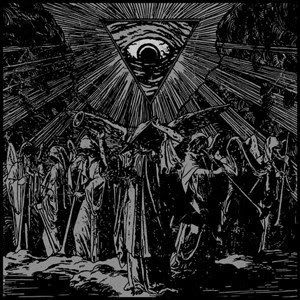
Watain - Casus Luciferi (2003)

Photobucket

Casus Luciferi is the second full-length offering from the Swedish Black Metal band known as Watain. Released in November 2003, through Drakkar Productions, this recording embodies the spirit of early '90s Black Metal. Even the booklet and back cover possessed an old and worn look that matched the music. It was as if, finally, a band decided to pick up from where Mayhem left off with De Mysteriis Dom Sathanas, while adding a healthy dose of influence from Dissection's The Somberlain. Though Rabid Death's Curse was impressive in its own right, this was something entirely different.

From the first moments of "Devil's Blood", one is taken back in time and dragged into a darkness that was often forgotten in the decade that preceded it. Eerily similar to the melodies from the title track of De Mysteriis Dom Sathanas, one could either look at this as a rip-off or a tribute. The haunting tremolo riffs and morbid vocals come together to create a hellish and gloomy atmosphere. There is something urgent about this, as the listener is being carried into the depths of hell. Far from being one-dimensional, the songwriting displays a good sense of structure and it rather dynamic. As with Mayhem, the bass is just audible enough to add to the sombre vibe. The cold and nocturnal guitar melodies continue with "Black Salvation", which is one of the better songs on here. The vocalist sounds possessed by some ancient demonic force, giving the image of some entity that has recently forced its way out of a rotten coffin and crawled back through the damp soil. Though including some mid-paced parts, this song blasts ahead at a frantic speed for the most part, as well.

The next couple songs are not quite as memorable, though no less intense and well-written. "Opus Dei" and "Puzzles ov Flesh" work within the context of the album as a whole, but are not likely to be songs that one would return to for repeated listens. Still, a grim and occult atmosphere is present and these tracks are filled with hatred and blasphemy. The cold riffs and gloomy bass lines do well to fill your mind with morbid images. Unlike so many modern bands that rely on keyboards and still fail to create any kind of real atmosphere, Watain succeed in doing so using conventional means. It is hard to believe that this band hails from Sweden, as this is far superior to the trash being spewed out by the likes of Marduk and Dark Funeral in recent years, while also killing the sometimes-mediocre efforts by bands such as Armagedda.

"I Am the Earth" is a dynamic song that bridges the two halves of this album, starting out rather fast and including some more intense parts later on, but being dominated by guitar riffs that are very reminiscent of early Burzum and Mayhem's "Life Eternal". As with the rest of the album, there is an undeniably morbid feeling that one gets from listening to this, even the echoes sound as thought they are echoing from some forgotten grave. The latter part of the song possesses somewhat of a melancholy vibe that serves to drag your spirit down deeper. This is accentuated by the following track, "The Golden Horns of Darash". The slower parts that dominate much of the song really hearken back to classic Mayhem, while the faster riffs add a sense of desperation. However, this is another song that really works best while listening to the album in its entirety, rather than as a stand-alone track. The listener is being taken on a dark journey through the blackest shadows and into the mouth of hell, itself. The tension builds more and more during each song, as we near the end of all things.

One of the most memorable melodies of the album begins "From the Pulpits of Abomination." The explosion of demonic voices sounds as if the final barrier has been broken and the listener now realizes that there is no return. The tension continues to build as the melodies carry you into the darkness that is eternal. Now, it is too late. One can hear the cries of the damned souls that have gone before. From this place there is no escape. The cursed ones suffer in torment for all time. There is an urgency in the riffs that comes through perfectly. Everything is well-executed and done with precision. For the most part, this track is fast-paced and carried forth by cold tremolo melodies, though a weird section appears late in the song that sort of derails things for a bit. However, the climax is so brilliant that one forgets this misstep.

Thunder and rain begin the final song. Satan's bell chimes your final doom. This is, of course, reminiscent of the song "Black Sabbath" by the band of the same name. But this is much darker, indeed. This is the culmination of that legacy began so many decades before. "Casus Luciferi" imbues the listener with horrid and twisted visions of torment and hell. This is certainly the legacy of Mayhem and Dissection seen to macabre fruition. The slow, doomy riffs inspire the listener with dread as the fast tremolo melodies increase the tension and unleash the fury of hell; a fury that will not be denied. The blasting drumbeats carry the listener forward on a path unknown. As the song comes to an end, as the melody fades into the storm of wrath, you realize that is was just a dream; this was but a mere glimpse of the fate that awaits. Utter damnation and desolation. A nightmare come to life. One to be feared by the weak for the rest of their days. Knowing that, sooner or later, it would come to pass.

Casus Luciferi is colder, darker, more sinister and hateful than most of its contemporaries. With this album, Watain picked up from where Mayhem left off and created the type of Black Metal album that many have been waiting for in all the years that have passed since the demise of Euronymous. With a better sense of composition than many bands that have tried to keep the old spirit alive, as well as production that is just clear enough to allow for the riffs to be fully appreciated while still being harsh enough to embody the underground spirit of their forebears, Watain have here succeeded in doing that which few others have even attempted. To follow the path of Darkthrone or Burzum is something rather common, yet for a band to finally attempt to recreate the brilliance of De Mysteriis Dom Sathanas is quite rare. It may not be entirely original, but there is some value in keeping the black flame burning in these dark times. If you are a fan of classic-era Mayhem (or The Somberlain, for that matter), seek this out.