Sunday, February 4, 2018

Hadez - Aquelarre (1993)


My knowledge of South American bands is mostly limited to the likes of Sarcofago, Sepultura, Vulcano, Holocausto, Pentagram, Masacre, Parabellum and so on. Beyond the mid-to-late 80s, I've never really found anything that impressed me. It was only very recently that someone turned me on to this heretofore undiscovered classic, the 1993 debut full-length from the Peruvian Black/Death Metal band, Hadez. 

Aquelarre succeeds where so very many bands have failed, which is difficult to comprehend as one would imagine this is the main point of any Black or Death Metal band: creating an atmosphere of incomprehensible darkness and purest evil. Hadez manages to engulf the listener deep within an abyss of torment and infinite obscurity. From the horror theme that opens the album, which then becomes the main riff of "Human Extinction", a gloomy and demonic sound bleeds from the speakers. This album is just dripping with unrelenting evil. During some of the mid-paced sections, with the deeper vocals, I am reminded of Beherit's Drawing Down the Moon, which is not surprising as both bands likely had some of the same influences. However, Hadez has the added element of these absolutely tortured and desperate screams that help to give the record a truly hellish feeling. This contrast in voices conjures images of wretched, damned soul being tormented by the Infernal One, himself. 

The biggest musical inspiration for Hadez seems to have been Sarcofago, as Aquelarre truly sounds like the successor to INRI, at times. Songs like "Nightmare" and "Christ's Death", in particular, come to mind. The songs utilize varied tempos, never becoming too monotonous and, while there are plenty of fast and chaotic riffs to be found here, the slower passages are often where the band really shines and manages to create a dark atmosphere. For example, a song like "Drunk with the Saint's Blood" just oozes undeniable malevolence, which is mostly the result of the slower, creeping riffs and the vocals that are possessed with blackest suffering. The eerie lead solo is a brilliant addition to this, as well. All of the aforementioned components, along with the intros, outros and sparse horror samples, come together perfectly to maintain a truly sinister aura.

As I am newly acquainted with this band, I cannot say for sure, but I get the impression that Aquelarre is not nearly as well-known as it should be. I can hardly believe that it has taken so many years for me to become aware of its existence, yet I'm always somewhat grateful that there are still hidden gems to be unearthed. Fans of Sarcofago, Beherit, Archgoat, etc. Should make haste in giving this a listen. In fact, anyone with an appreciation for truly dark Black/Death Metal needs to make this a priority. There's no filler, no downside, pretty much not a single negative thing to say about this. That said, it's not for the weak. There is nothing pretty about this album. With this recording, Hadez created something abysmal and hellish and this is absolutely recommended. Seek this out and listen to it immediately!

Tuesday, August 15, 2017

Slayer - Divine Intervention (1994)


Slayer reached their creative peak early on, during the Metal Blade years. Nonetheless, they were still a viable band for a while longer, though never quite the same. The band's classic era came to a close with 1990's Seasons in the Abyss. It is safe to say that Decade of Aggression should have served as an epitaph to their career. Unfortunately, Slayer didn't break up and they lingered long enough to thoroughly tarnish their legacy. The September 1994 release of their sixth studio album, Divine Intervention, ushered in a new era of mediocrity, pandering and alienation. 

Divine Intervention is far from the worst album Slayer would go on to release, but that isn't saying much. While Seasons in the Abyss had already demonstrated that they really had nothing more to offer, without merely rehashing their previous works, this L.P. adds to the list of flaws, suffering from poor songwriting and bad production, among other things. The drums and vocals are too high in the mix, which often distract from the guitars (not that there are a whole lot of noteworthy riffs to begin with). The problem with the former is most noticeable any time Bostaph is adding fills or going overboard with the double bass. As for the latter, Araya's voice are fairly awful on this album and might have benefited from being lowered a bit. It was here, on Divine Intervention, where he began to shout far too much, possibly having already lost the range he once had. Rather than saving the shouting for the more intense parts, he often does it indiscriminately. Then again, if the only alternative is the lifeless droning of songs like "Serenity in Murder", perhaps he made the right choice. In addition to this, mistake is compounded by the use of distortion on the vocals in some places, making it even worse. The album possesses a disjointed feel, overall, sounding like there were multiple recording sessions. 

The songwriting, itself, is very lackluster and features way too many mid-paced riffs. For example, "Killing Fields" is four minutes in length, yet the intro section takes about ninety seconds and then the next minute or so continues to plod along, stricken with this mid-90s groove that is like poison to real Metal. Things only speed up near the very end, which is a shame as the track is over right around the time it starts to become interesting. "SS-3" is similar in that the first half is boring and pointless, though the last couple minutes of half-decent thrash riffs manage to salvage things to a degree. Songs like "Fictional Reality" and the title track are equally as frustrating, though speed itself is not always an improvement as seen by the rather mediocre "Circle of Beliefs" (as much ruined by the mundane riffs as by the distorted vocals). "Serenity in Murder" is a passable track, though it would have been much better without the slowed pace and monotonous vocal delivery during the verses. This song starts out with one of the better riffs found on Divine Intervention, but they just couldn't leave well enough alone. 

As a result of so much sub-par material, the more average tracks look good by comparison. "Sex. Murder. Art", "Dittohead" and "Mind Control" each utilize a faster pace and exhibit fewer flaws, for the most part. While none of these are truly exceptional (and would have served as filler on previous albums), they are among the best that this record has to offer. Then there is "213", which appears to be the band's attempt at making another "Dead Skin Mask". The clean guitar in the intro does help to create a gloomy feeling, and the rest of the song isn't too bad despite some of the lyrics being questionable.

It is a regrettable thing to have to say about a Slayer record, that less than half of the album is even tolerable. These are the same guys that recorded such masterpieces as Show No Mercy, Haunting the Chapel and Hell Awaits. A lot of the blame has to rest on the shoulders of Kerry King. He was very open in the years following Divine Intervention regarding his desire to fit in with the more mainstream bands. As such, he made attempts to incorporate whatever was trendy at the time, when writing each subsequent album. In this endeavour, his defeat was two-fold. He failed to appeal to the larger audience that he sought, unable to properly sell out while also alienating die-hard fans in the process. The rapid decline of Slayer began with Divine Intervention, a below-average album that should be avoided. 

Thursday, May 11, 2017

Malevolent Creation - The Ten Commandments (1991)


Malevolent Creation's debut L.P. was released by R/C Records, in April 1991. With The Ten Commandments, the band delved deeper into Death Metal, though without completely shedding their Thrash roots. The overall result is a rather average and monotonous album, with fewer highs than lows, and utterly pales in comparison to other releases from this year; e.g. Dismember's Like an Ever Flowing Stream, Butchered at Birth from Cannibal Corpse, of the various debut full-lengths from the likes of Darkthrone, Edge of Sanity, Sentenced, Grave, Asphyx, Unleashed or even the flawed sophomore effort from Morbid Angel, Blessed are the Sick. 

The first strike against this album is easily detectable before even pressing play, as the liner notes indicate that this was recorded at Morrisound and produced by Scott Burns. As one would expect from this, The Ten Commandments possesses a very flat and lifeless sound. Considering the fact that much of the record is dull and forgettable, this only exacerbates the issue. The songwriting is often uninspired and feels random, with many riffs seemingly interchangeable. The only song to really stand out from the rest is "Premature Burial", which is undoubtedly the strongest offering on this L.P. Following the doom-laden "Memorial Arrangements", the first real song bursts forth with very palpable fury. That track features dynamic songwriting, memorable riffs and enough testosterone to kill a horse. Afterward, it is like the band went on auto-pilot and are just going through the motions for the rest of Side A. Not only are the compositions below-average, to go along with the generic production, but even the performance feels lackluster. Tracks like "Remnants of Withered Decay", "Multiple Stab Wounds" and "Impaled Existence" are tedious to listen to, failing to offer the same kind of intensity and aggression as "Premature Burial". It should also go without saying that there is hardly a trace of dark atmosphere to be found throughout most of the songs. 

As well, the vocals are often pretty annoying. Hoffman's voice sounds strained and keeps going from the harsher Death Metal vocals to more of a Thrash Metal vocal style, as he utilized on the previous demo. Once in a while, this variation works in some way, but it is rather annoying for the most part. It's made worse by the fact that there are too many lyrics and it sounds like he is struggling to squeeze a novel's worth of text into a three or four-minute song. As a result, the vocal patterns are cluttered and ineffective. 

Side B picks up a bit, though slowly. "Thou Shall Kill!" is only mildly interesting, while the thrashier approach of "Sacrificial Annihilation" helps to demonstrate where the band's true calling lies. They were much better off mixing the Slayer and Dark Angel influences with Death Metal, rather than attempting to focus solely on the latter. "Decadence Within" is one of the better ones on here, though the bar was set pretty low with the previous five songs. While the re-recorded version of "Injected Sufferage" (from the 1989 demo) is pretty decent, my personal preference would have been to include "Epileptic Seizure". The closer, "Malevolent Creation", is probably the second-best song on the whole album. It featu res some epic riffs and goes on to remind the listener of the intensity that this band is capable of, when inspired. 

From the very first time that I ever heard The Ten Commandments, til this very day, my overall impression is one of disappointment and wasted potential. Even if the whole record could have at least maintained the consistency of Side B, it would have been an uphill battle. Already, by 1991, the Death Metal scene was flooded with tons of bands that were much better than Malevolent Creation. These guys were average at best and follow-up albums like Retribution and Stillborn, illustrated just why their name did not merit mention alongside the luminaries of the genre. 

Monday, May 8, 2017

Pestilence - Testimony of the Ancients (1991)


Released in September 1991, Testimony of the Ancients is the third full-length from Pestilence. In the two years that passed since Consuming Impulse, much had changed within the band. Frontman Martin van Drunen left the group and joined Asphyx, leaving Patrick Mameli to attempt to fill the void as vocalist. His performance on this album would be but one of many elements that reduced this offering to a mediocre and forgettable affair. 

The inability to find a suitable person to handle the vocals was not necessarily something that the band could have helped. Perhaps, they tried and simple failed to recruit the right person. Either way, Mameli's dull voice is not the most damning issue regarding Testimony of the Ancients. The worst blunder of all was their decision to travel from the Netherlands to bloody Florida. Just like Napalm Death and Atrocity, the previous year, a European Death Metal band was so enamoured by the hype surrounding this overrated hellhole in Tampa that they crossed the ocean in order to allow their album to be butchered by the always-inept Scott Burns. 

Any possible potential that Testimony of the Ancients might have had was immediately thrown into the garbage the very moment that Pestilence decided to let Burns have a hand in the recording process. The sound of this record is the epitome of generic. The guitar tone, the mixing, everything reeks of mediocrity and sounds nearly identical to other albums from this same period that Burns ruined; e.g. Devastation's Idolatry, Malevolent Creation's The Ten Commandments, Napalm Death's Harmony Corruption, Demolition Hammer's Tortured Existence, etc. The differences between the sound of each record are quite minimal, and the third Pestilence L.P. falls into this same black hole of banality. The guitars lack any rawness and the clicky double-bass is enough to drive one mad. 

Beyond the extreme detrimental effect of Morrisound butchery, the album possesses other flaws. In general, the basic songwriting is all over the place. There are a few decent pure Death Metal tracks, like "The Secrecies of Horror" and "Lost Souls". But then one is assaulted with filth like "Twisted Truth" and "Prophetic Revelations" that utilize unwarranted groove riffs and really dumb things down. Then there are the more 'progressive' aspects of this wretched album, such as the addition of keyboards and the instrumental interludes between every song, which I find to be very pointless. Songs like "Testimony" and especially "Presence of the Dead" are filled with worthless wankery in the same vein as Death albums like Human and Individual Thought Patterns. Speaking of which, Mameli's voice is yet also very generic and dull, sounding quite similar to Chuck's performance on Spiritual Healing, with a bit of John Tardy mixed in. All in all, he really fails to differentiate himself in any manner, whatsoever.

Testimony of the Ancients is a complete waste of time. There are two passable tracks on this record, both of which are ruined by the production and the lackluster vocals. It's almost difficult to believe that this is the same Pestilence that released the essential Death Metal classic, Consuming Impulse, just two years earlier. This just goes to show that most bands should close up shop after one or two albums, as many just lose their true creative spark and end up releasing sub-standard trash. It also serves as another bit of evidence that Scott Burns was one of the very worst things to ever happen to Death Metal. Avoid this. 

Tuesday, April 25, 2017

Troll - Trollstorm over Nidingjuv (1995)


As my introduction to the band, Troll's debut album left a bad taste in my mouth. Drep de kristne did not make a good impression, at all. Even worse, I knew of Nagash's involvement in horrible bands like Dimmu Borgir and Covenant, so I completely wrote this project off, for quite some time. Years later, I was urged to check out the first demo from this Norwegian Black Metal act, being assured that it was better than what I'd previously heard. So, with some hesitancy, I gave a listen to the 1995 demo, Trollstorm over Nidingjuv

The first minute or so of "Når natten endelig er her" only confirmed my concern that this was to be a waste of time. The synth intro isn't nearly as bad as the goth-like spoken word part that accompanies it. Nonetheless, from the moment that the guitars erupt from the relative silence, the entire complexion of the release changes. The first thing worth noting is the superior quality, compared to the first L.P. This was clearly recorded in a proper studio, instead of in a garage (though how a high school kid could afford this, I cannot say). Rather than the weak and soft sound of Drep de kristne, here the guitar tone is sharp and helps to give a harsher feel to the music. Even the mid-paced section of the title track maintains a respectable level of strength, compared to the utterly limp feeling of the material Troll offered up the following year. 

Overall, the material is much more solid than on the full-length. However, Nagash certainly takes some liberties with the songwriting, heavily influenced by his predecessors in the Norwegian scene. In particular, Satyricon and Darkthrone seem to have been favourites of his. Of course, no one really comes into a Norwegian Black Metal release from the mid-'90s expecting too much originality; the template had pretty much been established by '92/'93. That said, Nagash basically lifted riffs, note-by-note, with no shame whatsoever. While the Satyricon influence is quite obvious from the intro and the second half of the title track, the riff around the middle of "Over daudens kolde mark" is really leaning more toward plagiarism. Elsewhere, the inspirations are a bit more general, with cold tremolo riffs that call to mind classic Mayhem, as well as the vocals that are reminiscent of Ihsahn's early work with Emperor. The compositions are fairly straightforward, possessing rather natural transitions that flow in a natural manner (as opposed to Satyr's back and forth, manic songwriting). The CD version, released a year later, contains the most damning evidence of plagiarism. On "I et hedensk land", this guy just outright lifted Darkthrone riffs (from "Slottet i det fjerne") and passed them off as his own. Sure, it sounds good, but that is because Fenriz was a master of creating dark and dreary Black Metal riffs, back then. 

In the end, Trollstorm over Nidingjuv stands as the best release to ever come from Troll, by far. If one can overlook the riff thievery (and to be fair, the worst offense was only a bonus track on the re-release, not included on the original tape), this isn't a bad recording. It's pretty standard Norwegian Black Metal from this period, which was filled with a lot of kids that wanted to follow in the footsteps of the masters. It's certainly worth fifteen minutes of your time. 

Tuesday, April 18, 2017

Thornium - North Storms of the Bestial Goatsign (1994)


My introduction to Thornium came in the form of a Maxell cassette sent to me by a penpal from Latvia, many years ago. Side A featured Nifelheim from Throne of Ahaz, while on Side B was Thornium's debut album, Dominions of the Eclipse. I remember the latter was so long that it didn't even fit in its entirety, and certainly failed to impress in the same manner as Throne of Ahaz. It was only some years later that my opinion of the band became more favourable, upon hearing the 1994 demo North Storms of the Bestial Goatsign

Musically, this is pure northern darkness. The guitar riffs are cold and dismal, just dripping with the typical mid-90s Black Metal feeling. "In the Depths of Northern Darkness" is equal parts fast tremolo melodies and mid-paced gloom that allows the music to breathe a bit. The title track picks up from where the first one left off, before speeding up and utlizing a riff reminscent of classic Mayhem. All throughout, Typheus' hateful vocals add to the overall atmosphere. His voice is mostly dry and raspy, with bits of near-hysterical shrieking, and really calls to mind Abbath's performance on Diabolical Fullmoon Mysticism. The subtle vocal changes help to give life to the songs, as do the variations in tempo. It's all very straightforward and primitive, yet still possessing ambition and feeling. The droning riffs that emerge in the later part of "North Storms of the Bestial Goatsign" are haunting and memorable, with melodies of a similar style to be found on "Min Vandring Till Mörkrets Furste". 

The production is fairly good for a Black Metal demo from this period. Everything is mixed rather well, with the guitars up front as they should be. The drumming is still audible, just not dominating the sound as often happens. The vocals are high enough to be clearly deciphered, without drowning out the rest. It does seem as if there was some clean guitar being used at the beginning of the tape, but it didn't come through very clearly, which was probably for the best. 

Thornium's first offering is nothing original, just traditional Black Metal in the northern style that was really coming into its own around this time. The only real complaint here is that it's pretty short. Though, sometimes, it is better to get in and get out and not waste time on useless filler or mediocre tracks that bog things down. All three songs are of the same good quality, making North Storms of the Bestial Goatsign very much worth tracking down and listening to. 

Tuesday, April 4, 2017

Fimbul - Vinterland (1995)


Fimbul was a short-lived Black Metal project from Norway. The sole band member, Ramn, released the first demo, Vinterland, in February 1995. Recorded on a four-track, this lo-fi tape bears similarities to other demos of this period, such as Thule's Der vinterstormene raste and Urgehal's Ferd

Vinterland is rather brief, clocking in at under fifteen minutes. Aside from the intro and outro, there are only two real songs on here, of which "I de norske skoger" is the real highlight. The songwriting is rather straightforward and primitive. The tremolo melodies are memorable and somewhat haunting, reminiscent of something from Transilvanian Hunger. The vocals possess a grim feeling and the drums are pretty basic. "Nattevandring" has a little more variation in the pacing, though the riffs aren't as interesting. However, around the halfway mark things slow down as a mournful melody emerges for a few moments. It is unfortunate that this soon transitions to another less-engaging riff. The outro, "Stillhet (...Norge)", reminds one of "Snø Og Granskog", from Panzerfaust

All in all, Vinterland is a decent little demo, but nothing special. Out of the four tracks, only "I de norske skoger" manages to stand out. That said, it is worth a listen for fans of the mid-90s Norwegian Black Metal sound. 

Thursday, March 9, 2017

Malevolent Creation - Retribution (1992)


Malevolent Creation's sophomore effort, Retribution, was released in April 1992. By this point, Death Metal had exploded in such a manner that far too many bands were overflowing into the scene, most of them just incredibly mediocre. I recall hearing this band's name mentioned along the likes of Death, Obituary, Morbid Angel, Deicide and so on, all those years ago. This album, in particular, received high praise every time. Yet, when I got my hands on the cassette version of this album, it just fell flat. 

The majority of the music here is quite dull and pointless. The Ten Commandments didn't feature much that was worth remembering, outside of the intense "Premature Burial". However, Retribution is an even more tedious listening chore. One of the things that differentiates Metal from simple Rock music has always been the emphasis placed on the riffs, generally with most bands having two guitarists. Nonetheless, neither Rob Barrett nor Phil Fasciania are the stars of this production. Neither is Brett Hoffmann (whose voice is fairly good but still displays no talent for making the vocals properly fit the music). No, the central figure of Malevolent Creation's second L.P. is the drummer, Alex Marquez. 

This entire album is ruined because of the immensely overactive percussion. Death Metal is supposed to create a dark atmosphere; instead, Retribution offers useless groove riffs and breakdowns and criminal overuse of double bass that undermines most of the very few decent riffs that did manage to slip onto this record. Tracks like "The Coldest Survive", "Mindlocked" and "Iced" are a bit more primitive and straightforward than most of the rest, certainly the best parts of this album, yet the drums still do their best to spoil things as much as possible. 

Of course, the list of complaints could not be complete without mentioning the absolutely atrocious Morrisound production job. This possesses the same generic, sterile sound as almost every other album recorded there during this period. To hear a random snippet from Retribution, without vocals, one would be hard-pressed to correctly identify the band. With the likes of Obituary, Death, Pestilence, Napalm Death and others all recording at the same studio and having their works wrecked by incompetent hands of Scott Burns, it all just blends together. Coupled with the fact that their songwriting is sub-par, it's no surprise that Malevolent Creation never managed to reach the same heights as some of their peers. 

Many cite Stillborn as the point when Malevolent Creation proved their ineptitude, but it was already on full display, here. Death Metal is not supposed to be driven forward by the percussion, with the guitars taking on a supporting role. Retribution might be best used as a gateway album to gently lure Pantera fans into harder music, but it is entirely worthless to those seeking pure Death Metal. Avoid this garbage. 

Saturday, March 4, 2017

Clandestine Blaze - City of Slaughter (2017)


Clandestine Blaze has for several years been one of the most reliable Black Metal bands of the modern era. Never the greatest, but always able to deliver consistent albums that uphold the traditions of decades past. In February 2017, Mikko returned with his ninth full-length album, City of Slaughter

For the most part, this L.P. offers precisely what one would expect from Clandestine Blaze. Stylistically, there is no change from the previous records, which is a good thing. In general, the only thing that Mikko really 'experiments' with has to be the production, which often takes a few listens to get acclimated to some of his more peculiar choices. The guitars possess a rathe favourable tone, maintaining sort of a sharp and rusty sound. As with Harmony of Struggle and New Golgotha Rising, the drums can be distracting at times, mostly due to the volume of the snare. Otherwise, there are no real complaints to be made. 

Some of the songwriting can be described as, well, less-than-grim. "Remembrance of a Ruin" was an odd pick to open the album, with the more relaxed pace and the slightly off-putting backing vocals reminiscent of "Culling Species" from the previous L.P. Things pick up with "The Voice of Our Mythical Past", a faster song with the typical tremolo picking and memorable melodies that Clandestine Blaze has long been known for. "Circle of Vultures" utilizes more of this, though interspersed with mellow sections with sort of a plodding double-bass carrying things forward. Both of these songs feature some of the best riffs on the album, though. "Prelude of Slaughter" is a non-essential track, merely consisting of some synth and backward vocals, basically an interlude that goes a bit longer than it should. 

It leads into the centerpiece of the record, "Return into the City of Slaughter", which is a lengthy song that sounds like something from Darkthrone's Panzerfaust, offering up a great deal of Celtic Frost worship. There are brief passages that add a sense of morbidity to the track, as well as sparse use of eerie background effects. The song is structured well and builds up a sense of tension as it goes along, with even the vocals becoming more intense. Whereas some of Mikko's forays into Celtic Frost territory have been hit and miss, this time he makes good use of Tom Warrior's style of riffing, mixing with his own style of songwriting, to create something epic and memorable.  

This is followed by the more straightforward and primitive "Archeopsychic Fear" and "Century of Fire". Both are characterized by grim vocals, somewhat mournful tremolo melodies and fast-paced drums, though the latter does fall off the rails around the middle. Suddenly, things get rather calm and the drums become a little overactive, playing some ill-placed catchy beat that is just really off-putting. It reappears a minute or so later, which is so near to the end of the album as to leave a lasting impression of annoyance, at least to my ears. 

Much like New Golgotha Rising, City of Slaughter is a rather decent record, overall. Despite beginning and ending with the weakest tracks (and the only two that I'd consider to be flawed), the rest of the material delivers a solid dose of Finnish Black Metal. While not necessarily up to the quality of Harmony of Struggle, it's certainly worth picking up for fans of Clandestine Blaze. 

Saturday, February 11, 2017

Vampyric Blood - Drowning in the Vampyric Sacrament of the Immortals (2012)


Released in early 2012, just a short time before Ordo Dracul, this split features three songs from the occult Finnish Black Metal project known as Vampyric Blood. The other band featured here is inferior and unworthy of mention. Despite such an unwanted presence, this recording is still notable for the contributions of Lord of Shadows.

The sound is similar to that of the band's debut L.P. in that it possesses somewhat of a distant and cacophonous sound that might take a few moments to adjust to, much like any old '90s demo tape. The guitars and vocals are rather raw and harsh, in contrast to the warmth and clarity of the synth parts. Generally, I dislike keyboards, but I don't mind them if used properly (and sparingly). Overall, the sound here really suits the atmosphere and style of the material.

The first two Vampyric Blood tracks, utilize fast-paced tremolo riffs, while still managing to include slower sections within each song, particularly the former. Of the two, "Grim Tyranny" really seems to stand out and is the most varied track on here. It does well to seamlessly transition between the mid-paced riffs and the faster guitar melodies, making for a rather engaging song, while never losing the lugubrious aura. However, the third composition from Lord of Shadows is the best one on here. "In Sorrow & Misery" is an eight-minute dirge that really lives up to its title. While alternating between open-arpeggios and faster tremolo picking, both the overall melody and drumming dictate a slower pace. This woeful track reaches right into your chest and takes your weakened heart within its strangling grip. The style hearkens back to older works from Burzum and Strid, possessing an unquestionably morose atmosphere. 

Though Drowning in the Vampyric Sacrament of the Immortals was limited to 1000 copies, it's probably that one can still track down a copy. Whether or not you are a fan of the other band on this split, the Vampyric Blood material is well worth hearing, especially "In Sorrow & Misery". This is some of the best raw and gloomy Black Metal that I've heard in ages, so it is very much recommended. 

Saturday, January 28, 2017

Darkthrone - Arctic Thunder (2016)


Though I'd intended to ignore the latest release from Fenriz and Nocturno Culto, several have requested my thoughts on this record, so I'll take a stab at it. In general, I'm not one to advocate remaining loyal to a band once they no longer make quality music. However, in the case of Darkthrone, I've been far more lenient and tried to give them the benefit of the doubt. For my personal taste, they've made some of the best Black Metal albums in existence, but those days are long past. 

The disappointment began with 2004's Sardonic Wrath, which I found to be mostly dull and quite a drop from its predecessor. Then came the polarizing The Cult is Alive in 2006, at which point I fully gave up on the band for a while. Their new direction grew on me, with F.O.A.D. and Dark Thrones and Black Flags (my personal favourite of this period). I thought that Circle the Wagons was rather weak by comparison. That was followed by The Underground Resistance, which seemed like an improvement at first. The problem is that, other than "Valkyrie" (which is the least Darkthrone-ish of all the songs on that record), I haven't felt compelled to listen to it since the night I wrote my review for it, back in March 2013, which was only the second time I'd listened to it. With regards to that album, my first impression was that of mild disappointment. Perhaps it was out of some sort of loyalty that I tried to find something positive to say about it anyway. Or it could be that it was a fine album, but just nothing worth going back to. 

However, with the October 2016 release of Arctic Thunder, I'm hardly inspired one way or the other. After they released the first track, I kept seeing comments online about them "returning to their Black Metal roots". I knew this had to be some form of lunacy, so I wasn't surprised at all to hear for myself that this was definitely not the case. I wonder why people even bother bringing up the old days when talking about a new Darkthrone album. All I hear is the same sort of stuff that these guys have been doing for the last several years, for the most part. A lot of '80s-inspired riffs that don't do much more than to make you want to go back and listen to the old school Metal that influenced this material, as opposed to listening to the album itself. Fenriz refrained from contributing lead vocals this time around, thankfully, but Nocturno Culto's voice has been pretty bad for over a decade now. He doesn't sound quite as awful here, but his performance is still a far cry from those of the past. It's difficult to imagine that it's taken over three years for them to come up with this, much like the previous album. "Tundra Leech" has some decent doom riffs with a tremolo melody on top of it. After the first couple minutes, it sort of loses my attention until the lead solo, which still utilizes the strange tone that they've been using for the last several years. Songs like "Burial Bliss", "Boreal Fiends" and "Throw Me Through the Marshes" feature more generic and forgettable riffs that could have been taken from any random song on the last four or five records. The latter includes some clean guitar parts, reminiscent of "Valkyrie", but far less epic in nature. It reappears, from time to time, giving a little bit of a gloomy feel, but nothing really worth remembering. The solo is similar to the one from "Black Mountain Totem", again hearkening back to Aldo Nova's "Fantasy". Just in case you're wondering, that is not a good thing. "Inbred Vermin" is another song that fails to stand out, until the doom riffs at the end come along to create a sombre vibe. This is completely ruined by the more upbeat title track that follows. "Deep Lake Trespass" begins with a somewhat interesting riff, then crumbles less than a minute in, alternating with generic passages that seem rather disjointed. As for the closer, more random Celtic Frost worship that sounds like it took about two minutes to write. 

Arctic Thunder isn't a terrible album. It's not the worst record that Darkthrone has ever released, by any means. In fact, had it been the follow-up to Hate Them, I'd probably look more favourably upon it. But with so few ups and so many downs in the last several years, this L.P. just fails to impress. The songwriting is sort of dull and mediocre. It has its positive moments, but nothing really stands out, sadly. It can serve as a solid album of background music, but there's not much here to hold one's attention nor to justify the three-year wait. They should be able to pump out this sort of haphazard material about twice a year, easily. The latest offering from Nocturno Culto and Fenriz is thoroughly old school and primitive, but it's also utterly forgettable. 

Tuesday, December 27, 2016

Cannibal Corpse - Vile (1996)


Upon its release in May 1996, the fifth Cannibal Corpse L.P. was surrounded by some amount of controversy. Chris Barnes had been kicked out of the band and replaced with George Fisher, only known for his work as part of the very mediocre Monstrosity. Along with the new frontman was a new logo, which looked awful. As such, Vile was under closer scrutiny than any of their previous records. The end result was quite disappointing. 

While one would think that Death Metal vocalists are much more interchangeable than someone like King Diamond or Rob Halford, the truth was that many considered Barnes to the driving force behind the band. He drew the logo, came up with concepts for the cover art, wrote all of the lyrics and did all of the interviews. Even though his 'cookie monster' vocal style seemed rather generic by this point, changing the voice of any band is always a tricky move. His replacement didn't help matters by giving a rather half-hearted and weak performance. He failed to either match up to his predecessor's work or to stand out on his own and really leave his mark on the album. Anyone could have taken his place and done a better job. He honestly sounds like any Cannibal Corpse fan trying to do a Chris Barnes impersonation. 

Musically, Vile follows the approach of The Bleeding, in some instances. Whereas the last album sacrificed some of the 'brutality' of the earlier offerings to focus on atmosphere (with songs like "Return to Flesh" and "Force Fed Broken Glass"), the bulk of Vile feels a little more technical and this doesn't really work so well. There are some decent riffs here and there, like the tremolo bit in "Perverse Suffering", though the majority of the track is dull. Similarly, there are very brief parts in "Bloodlands" and "Orgasm Through Torture". Songs like "Disfigured" and "Eaten from Inside" sound like rehash from previous records, something of which Cannibal Corpse would go on to build their entire career. 

By 1996, it appeared that Death Metal had pretty much run out of steam and all of the classic albums were already at least a few years old. None of the bands seemed to really have anything left to contribute, other than to just rehash what had already been done. After hearing the Created to Kill recordings, it is clear that the fifth Cannibal Corpse album was destined to be boring, no matter what (and Six Feet Under's second full-length proved that Chris Barnes had allowed his voice to completely deteriorate and should have quit making music). People can blame the new vocalist or the different logo as the only reasons why Vile is looked down upon, but the fact is that it's just not very good. Making an album of regurgitated ideas, spiced up with extra technicality, was never going to work. If you're a fan of this band, stick with the earlier albums; not just because of the vocalist or the logo or any reason other than that Cannibal Corpse said all that they had to say with those first four records. 

Saturday, December 3, 2016

Transilvania - Morbid Majesty (2015)


Usually, I steer clear of modern bands and releases, with very few exceptions. However, an acquaintance recently brought to my attention the Austrian Black Metal band, Transilvania. It was said that their September 2015 demo tape, Morbid Majesty, would be right up my alley. Recommendations are often tricky, as I am often a bit too selective, but the old school vibe lured me in, right from the start.

Musically, this could best be described as Black/Thrash, in the vein of old Desaster. Even the vocals are very reminiscent Okkulto's performance on A Touch of Medieval Darkness. The musicianship is rather sloppy, but that actually benefits this style and adds to the raw feeling. Fortunately, the production is gritty and unprofessional, which is exactly what is needed for this sort of music. One of the biggest mistakes made by a lot of 'retro' bands is that they play a bit too tight and have a sterile, modern sound to their albums, thus ruining the whole thing.

"On the Back of Satan's Stallion" and "One Night in Salem" include some pure Black Metal riffs, but these are brief and soon give way to Teutonic-inspired Thrash, which dominates most of the recording. The majority of the riffs are purely '80s-inspired and, along with several of the solos, hearken back to the middle of the decade. For the most part, the songs maintain an intense pace, but there are times when things relax just enough to let the riffs breathe a bit and to accentuate the dark atmosphere, such as in "Moonlight Sorcery". There are even moments that are a little more melodic, showing some old Mercyful Fate influence, perhaps. Rather than just utilizing harsh Black Metal vocals over traditional Thrash riffs, the members of Transilvania do well in composing songs that seamlessly transition from one style of riff to another to create an obscure and hellish feeling.

Morbid Majesty is a great little demo, oozing the sort of old school vibe found on classic records from Destruction, Tormentor, Sabbat, etc. Hopefully, Transilvania will manage to record more material in the near future and, more importantly, maintain the same raw and evil feeling as found on their debut release. 

Wednesday, November 30, 2016

Funeral Mist - Darkness (1995)


Only being familiar with their 2003 full-length Salvation, Funeral Mist is a band that I wrote off a long time ago. It's strange, as I would normally check out demo recordings, but the material on that album was so unappealing that there didn't seem to be any point in doing so. Eventually, someone recommended that I give a listen to their 1995 demo, Darkness. While it's not exactly anything special, it's much better than the later works issued under this name. 

Darkness is quite under-produced, possessing a raw sound very typical of demos of this period. At times, the guitars have sort of a buzzing/whirring sound, which actually suits the atmosphere. It shares a few similarities with Horna's Kun synkkä ikuisuus avautuu rehearsal.  Fortunately, this tape features Typhos (later of Dark Funeral and Infernal) on vocals, rather than the annoying Arioch (who only handles bass duties here). The overall sound is fairly muddy at times, but you can still manage to hear everything that is going on. 

The best songs on here are "Dreams of a Time Before Time" and "In Black Silence". The opener is much better than anything that follows, building some unrealistic expectations and giving way to a small measure of disappointment. The latter utilizes a bit of synth, giving somewhat of a horror vibe. Many of the riffs seems to take inspiration from bands such as Emperor and Marduk, leaning more toward the former. The keyboard interlude, "In the Shadows I Wait", may not be all that necessary, but its inclusion doesn't hurt anything, either. The guitar melodies found in songs like "Funeral Mist" and "Blasphemy" (as well as the overused synth in the latter) give the music a lighter feeling, losing the dark and evil vibe that such a necro recording could have created. 

All in all, this is a fairly average recording. It is weaker than other Swedish Black Metal demos of the time, such as Moloch's Cutting Holy Throats or Härskare av den svarta natten by Skuggmörker. It should, of course, be of interest to those who are searching for solid mid-90s Black Metal. That said, Darkness is only remarkable in any manner by comparing it to Funeral Mist's better-known (and incredibly awful) releases. 

Monday, November 28, 2016

King Diamond - The Eye (1990)


The fifth King Diamond L.P. was recorded in Sweet Silence Studio (of Ride the Lightning fame) and released in October 1990. As with Conspiracy, this album pales in comparison to Fatal Portrait or Abigail; however, The Eye was my first King Diamond album, so it holds a fair amount of sentimental value.  

It was a cold October night when a girlfriend of mine came by to interrupt my homework. In her bag, she had a handful of CDs, some of which I was either already familiar with and others that seemed entirely uninteresting. One album stood out, however, that being The Eye. For whatever reason, though I loved the old Mercyful Fate material, I'd not bothered to seek out any of King Diamond's 'solo' albums. Upon hearing the opening riffs and vocals of "Eye of the Witch", I was hooked. 

The best songs on this record feature very memorable riffs, quite similar to Conspiracy. Nevertheless, with the abundance of keyboards and clean guitars that are utilized throughout the album, The Eye comes off as a but softer than its predecessor. Tracks like "The Trial (Chambre Ardente)" and "Two Little Girls" are fairly weak and are yet another example of how concept albums tend to let the story dictate the flow of things, rather than the music itself. Placing these, essentially, 'throwaway tracks' so close to the beginning of the L.P. really kills the momentum before it even had a chance to build. Some of the other songs don't seem fully strong enough to stand on their own, like "Into the Convent" and "Father Picard". In fact, this is probably true of every track aside from the opener and "Behind These Walls". That said, despite a few speed bumps, the album works really well as a whole. The Eye still possesses a strong '80s Metal feel, due to the style of riffs and the solos. King's voice is also in good condition on this recording, with some quite infectious vocal lines, such as those found in the aforementioned "Behind These Walls" and "The Curse". Special mention should be made of the brief instrumental track, "Insanity". It does so well to create a really sombre atmosphere and its placement on the album works very well. 

The Eye marks the end of King Diamond's classic period. The strongest songs on here are probably "Eye of the Witch", "Behind These Walls" and "1642 Imprisonment". Truth be told, The Eye is an album that is much more effective when listened to in its entirety. Though it might be difficult to properly assess this record, due to the nostalgia factor, it would be fair to say that it's a solid release and definitely worth checking out.  

Saturday, November 19, 2016

King Diamond - Conspiracy (1989)


King Diamond's fourth full-length, Conspiracy, was released through Roadrunner Records in August 1989. This L.P. features the same lineup as its predecessor and was recorded at the same studio, but is vastly superior. The feeling from Fatal Portrait and Abigail is definitely gone forever, but this is a very solid album. 

Conspiracy continues the story from "Them" and, though the first part seemed quite weak, turns out to be a much more interesting concept this time around. Unlike the previous album, none of the tracks here feel like filler that only exist to prop up the lyrics. While some songs are certainly stronger than others, each one is able to stand on its own. The album is filled with very epic riffs and memorable vocal lines, especially the opening track "At the Graves". The much more robust production really suits the material, as well. The guitars sound much more dynamic, as opposed to the flat sound of "Them". In a sense, the guitars are more geared toward the large-budget stadium rock sound, reminiscent of Ozzy Osbourne's No Rest for the Wicked. It's heavier, but not in the same way as an album like Abigail, which had a sharper and more metallic guitar tone. 

Musically, the compositions here are miles ahead of those found on "Them". The aforementioned "At the Graves" is just a massive beast, perhaps a little too long, but still a monumental track and a good one from which to build the rest of the album. Songs like "Sleepless Nights", "Amon Belongs to Them" and "Victimized" are bursting with the same sort of energetic riffs that will easily hold your interest. As well, King's voice is still in good form here and provides a lot of memorable moments. "A Visit from the Dead" may be the most melodic and complex track on here, along with "Something Weird". It begins with a quiet section that then gives way to some very Abigail-esque riffs. These combine with King's haunting falsetto screams to create a rather dire feeling. "Let It Be Done" and "Cremation" also do well to maintain the horror vibe. 

While it cannot compare to the first two records, Conspiracy unquestionably deserves to be considered part of King Diamond's classic period. It's a very solid album that does well to correct the mistakes made on the previous release. After the very first listen, it's quite likely that many of these riffs and vocal lines will remain in your head for a while. Though none of the tracks can really match up to the intense and epic opener, there's not a bad song on here. This is definitely recommended.

Friday, October 28, 2016

King Diamond - "Them" (1988)


Released in June 1988, "Them" is the third full-length from King Diamond and the first since the departure of guitarist Michael Denner. Though often praised by critics, this is actually the weakest record from King Diamond's classic era. From the songwriting to the theme to the production itself, various elements combine to make this a rather mediocre and forgettable L.P.

"Them" really sticks out like a sore thumb, when compared to the likes of Abigail, Conspiracy and even The Eye. The production is very weak and flat, lacking the power and dynamics of the aforementioned records. Strangely, this sort of sound was used once again, years later, on The Spider's Lullabye. The change in studios was not the only detriment. 

As with its predecessor, "Them" is a concept album, but one that really misses its mark. I'm not generally a fan of concept albums in the first place, but Abigail was much better in terms of the story and the songwriting. On that record, each song is still strong enough to stand on its own, musically. However, "Them" seems to contain a lot of filler, only there to serve the dull storyline. As well, King's vocals seem to have jumped the shark a bit, with the range of voices going too over-the-top, especially considering that he is screaming about a mentally-ill grandmother and cups of tea. It's just impossible to take any of this seriously. 

Regarding the music itself, the best song on here is "The Accusation Chair". This is the only one on here that I feel could easily stand on its own, apart from the album as a whole. "Welcome Home" and "Mother's Getting Weaker" have their moments, though the chorus (and title) of the latter is just unbearably lame. The rest is just incredibly dull and pointless. The riffs feel interchangeable and there's hardly any real focus. Most of the material on here just serves as a generic backdrop to the idiotic story and plethora of voices. This feels like something that was just thrown together in a hurry.  

"Them" has long been overrated by those with a less discerning taste. This represents a real drop in quality from Abigail. When exploring the classic albums from King Diamond, be sure to skip over this one and move on to Conspiracy. There's nothing of value here. 

Friday, October 21, 2016

King Diamond - Abigail (1987)


While Fatal Portrait felt, in some ways, to be connected with Don't Break the Oath, the final traces of Mercyful Fate seem to have faded with that L.P. Released in October 1987, the iconic Abigail is often considered to be the definitive King Diamond record. Unlike the previous full-length, the band's second outing is a full concept album, and features minimal input from guitarist Michael Denner, while Andy LaRocque gets a few credits for the first time. For various reasons, Abigail feels like the real starting point for King Diamond's 'solo' career.

The music is very dynamic and goes well with the story being told. The songwriting is brilliant, as is the arrangement. Each idea flows into the next, flawlessly, as does each song, one after the other. Every riff, solo and vocal line is exactly as it should be. King's falsetto style was never again used to such perfection. For some, this can be a dealbreaker and you either love or hate his vocals. For me, his voice is best at a high volume, enough to shatter your skull. He does a great job adding drama to the proceedings, and many of the vocal lines are as powerful and memorable as the riffs themselves. Unlike later albums, such as the awful "Them", each composition is strong enough to stand on its own, rather than only working as part of a greater whole as is often the case with concept albums.  

The production is very clear and powerful, suiting this style of music. It definitely lacks the slight murkiness that was present on Fatal Portrait, sounding as if the band had quite a budget to work with. My personal preference tends to lean more toward the debut but, that said, there's really nothing wrong with Abigail. King Diamond's first two records definitely deserve to be considered classics and are highly recommended. 

Monday, September 26, 2016

Six Feet Under - Haunted (1995)


Six Feet Under is a horrible pseudo-Death Metal band that was originally conceived as a side project of members of Cannibal Corpse and Obituary. They even recruited a former member of Death and Massacre. When the idea first came about, supposedly in 1993, this might not have been such a horrible idea, though the sub-genre was either dead or dying by this point already. It took them about two years to finally release their joke of a debut album, Haunted

I remember getting this pile of filth when it came out. Metal Blade promoted the hell out of it, as if it was something special. That was not to be the case. Everything about this is dumbed-down and designed for simple-minded sheep. Chris Barnes seemed to have run out of steam after The Bleeding, as his lyrics were becoming rather redundant by this point. There were a few mildly interesting ideas, but most of this is just really tame and generic. The vocals are also quite dull when compared to the previous year's Cannibal Corpse release. His performance sounds very uninspired and phoned-in for much of the time. Then again, when one examines the boring and often tedious songwriting that he had to work with, it may also be the fault of Allen West. 

Musically, this has to be one of the most stale albums to ever be vomited forth at the feet of unsuspecting listeners. I absolutely despise "groove Metal", and this record is full of it. Haunted features nearly 40 minutes of mid-paced trash that would have been better off in the rubbish bin. Even worse, the album includes a few stolen ideas from West's primary band, Obituary, and not even good ones at that. He lifted some riffs directly from the equally terrible World Demise L.P. Not only are the riffs mundane, but the song structures, combined with the formulaic lyrics and vocals, make this entire endeavour all the more tiring.

While Haunted may be the 'best' thing that Six Feet Under ever released, that is not saying much. Seriously. This simplistic garbage is a mere parody of Death Metal. There is not one shred of darkness or any hint of morbid atmosphere to be found within any of these eleven(!) songs. Something like this may serve as a gateway band for kids that haven't graduated beyond the likes Pantera, but true Death Metal this absolutely is not. Avoid this farce, by all means. 

Saturday, September 24, 2016

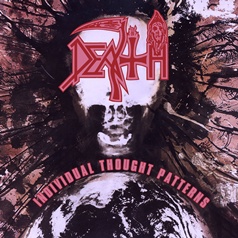
Death - Individual Thought Patterns (1993)


In June 1993, Death returned with their fifth full-length, Individual Thought Patterns. This album just further solidified the fact that Chuck Schuldiner was more interested in honing his technical skills, to the detriment of the actual songwriting. There is absolutely no Death Metal atmosphere to be found here. Between the terrible songwriting and the horrible production, the end result is a pathetic and limp album that serves more as a masturbatory endeavour than anything else. Everything about this is the opposite of the classic albums that made this band so legendary in the first place. 

The inspiration to create something dark and evil had long ago faded from Chuck's being. Listening to what he had to say in interviews around the release of this abomination, he was again going on about how he wasn't "anti-life" and how Death was "just a name". The idea that anyone might associate him with anything dark truly seemed to bother him. That's rather clear from the "Life Metal" lyrics that further destroy any possibility for this collection of weak and non-threatening tracks to have any real Death Metal vibe. As with Human, he said that the lyrics were written with hopes that "people can relate to them". The musical influences that he cited included Queensryche and Watchtower and so on. Listening to this pathetic offering, it's difficult to imagine that these musicians were involved with such albums as Scream Bloody Gore, Darkness Descends and Illusions. Even the faster parts feel so contrived and disingenuous. The riffs are utterly generic and fail to create any kind of feeling at all. Hoglan's drumming is incredibly overactive, but it's not as if his performance takes away from anything since the songwriting is so uninspired. Schuldiner's ability as a guitarist has definitely developed over the years, yet he is still out-classed by King Diamond guitarist Andy LaRocque, whose solos are probably the best parts of the whole album. Even the vocals have deteriorated from the late 80s, sounding more like a girl trying to imitate a Death Metal vocalist than the possessed ghoul from Scream Bloody Gore and the old demos. 

One could lay some of the blame for this atrocity at the feet of Scott Burns, the dimwitted producer that is responsible for the incredibly sterile and plastic sound that afflicts Individual Thought Patterns (and so many other records). Even if Chuck had written a authentic Death Metal classic, the despicable Morrisound production would have rendered it dull and lifeless. The guitar tone on this album is typical of the time period, possessing no edge or heaviness. It's as smooth as can be and, coupled with Schuldiner's weak material, the guitars end up sounding quite fragile at times. The bass is too high in the mix and gives a soft and cartoonish feel to the music. The drumming is just a mess of clicky double-bass that pollutes the whole album, as much the fault of Hoglan's style as anything. 

If you're simply a fan of Schuldiner as a musician, you may not find anything wrong with Individual Thought Patterns. You'll certainly get a fair dose of his typical songwriting. However, judging this as a so-called Death Metal album, it fails miserably. This 'technical / progressive' garbage is a disgrace to the band that once created such classic albums as Scream Bloody Gore and Leprosy. If Chuck no longer wanted anything to do with real Death Metal, he should have laid aside the name and continued to make boring Heavy Metal with a new project. Keeping a name that he didn't even like anymore, especially with completely different line-ups and a different musical style, was all about brand recognition and nothing more. Avoid this like the plague. In fact, I need to go listen to the Back from the Dead demo just to cleanse this filth from my ears...